Ask The Art Story AI


Summary of Disability Art
Disability Art refers to a broad movement in contemporary art focused on radical, liberatory, and anti-discriminatory presentations of disabled lives, experiences, desires, and needs. In addition to this, it often overlaps with activist work to improve access to, and engagement with, contemporary art amongst the disabled community. The history of representations of disability within visual art in fact stretches back millennia, but it was not until disabled people began to demand better rights and representation in the twentieth century that a distinct and named movement grew up around such work. Since the 1970s-80s, the Disability Art movement has been responsible for works that are often hilarious and furious in the same breath, a genuine contemporary avant-garde in a cultural era where the energy of the avant-garde is often said to have long-since dissipated.
Key Ideas & Accomplishments
- Disability Art is closely connected to, and often expressive of, the social model of disability. This is an idea within contemporary disability activism which holds that no individual’s physical and/or mental aptitudes are inherently disabling. Rather, people are disabled by the ways in which society at large prevents or hinders them from living their lives to the full. This might mean, for example, a lack of wheelchair access outside a museum, or it might involve more subtle forms of discrimination, such as public environments that are uncomfortable for neurodivergent people. The desire to tear down such barriers is at the heart of Disability Art.
- Disability Art has often tended towards performance art, in ways that might force audiences to confront both disabled bodies and their own prejudices about them. The origins of the Disability Art movement include the formation of many performance and theatre groups, and subsequent generations of artists such as Katherine Araniello have used their own bodies to send up and satirise discriminatory tropes while present a defiant image of disabled joy and power.
- Much recent Disability Art tends towards intersectionality, that is, a recognition of the way in which structural prejudices may pertain to more than one characteristic at once. In particular, the intersection of disability and gender or disability and race has proved to be fertile ground for the creation of activist artworks pointing out the white, ableist, and male biases of much of the artworld.
- It is important to note that not all disabled artists chose to identify as part of the Disability Art movement, as they may feel it restricts the potential scope and value of their work. It is also important to distinguish Disability Art from a number of art movements or phenomena within the artworld that are more characteristic of non-disabled interactions with the disabled community than with autonomous disabled creativity. These include the paradigms of Art Therapy and the Outsider Art movement.
Artworks and Artists of Disability Art

Self Portrait with the Portrait of Doctor Farill
As a result of long-term spinal problems, Frida Kahlo was confined to a hospital bed for nine months in 1951. Dr. Jaun Farill performed seven surgeries on the artist’s spine during this time. In a journal entry from that year, she credits him as having saved her life, writing, “I was sick for a year…. seven operations on my spine. Dr. Farill saved me.” Self Portrait with the Portrait of Doctor Farill is Kahlo’s last signed self-portrait and the first painting she made after her recovery. She depicts herself sitting in a wheelchair in front of a recently completed portrait of her surgeon.
It is worth analyzing this painting alongside Goya’s Self-portrait with Dr Arrieta. Both artists created work that expressed passionate gratitude for medical care, but did so in their own personal styles. While Goya painted himself and Dr. Arrieta together in the midst of one of his life-saving treatments, Kahlo physically separates herself from Dr. Farill by creating a painting within a painting. Kahlo symbolically communicates the doctor’s role in saving her life through a poetic heartfelt gesture. She paints herself holding an artist’s palette, which is shaped like an anatomically correct heart in one hand, while the brushes she holds in her other hand signify that she has painted this image directly from the heart.
Oil on canvas

Wheelchair Entrance
Tony Heaton’s 1989 sculptural intervention Wheelchair Entrance was composed of a wooden board labelled “wheelchair entrance” which was hung across a gallery doorway at a height that blocked ambulatory visitors but permitted entrance beneath it to anyone in a wheelchair.
Wheelchair Entrance acted as a simple but effective means by which to make gallery visitors aware of architectural barriers to mobility. Moreover, Heaton’s installation encouraged an embodied engagement with disability and mobility barriers, by forcing ambulatory visitors to phenomenologically confront a moment of physical limitation, without attempting to explain or analyze the encounter, but rather simply allowing it to create meaning through the perspective of the body, through sensation.
Heaton’s installation works often directly embody the principles of the social model of disability. The barrier blocking walking entrants reminds us that movement in a wheelchair, like movement on two feet, is not inherently laborious, painful, or pitiful. It is rather the ways in which public spaces are designed without disabled people in mind that “disables” them in the first place.
Timber and hanging ropes

Stories of A Body
One of the key figures in the development of Disability Arts is the Irish painter and performance artist Mary Duffy. Duffy was born in 1961 without arms as a result of thalidomide poisoning in utero. From a young age, she became adept at using her feet and toes to perform many of the tasks typically performed manually, including drawing and painting. She also recognized from a young age that the vast majority of representations of disability had not only been created by non-disabled individuals, but had also contributed to overwhelmingly negative, patronising, or ignorant attitudes. Speaking in 2014 she recalled feeling that “there were disability reference points all right, but they had been created by non-disabled people and regarded disabled people as tragic, pathetic or brave.”
In response to these representations, Duffy had to “search for an image of disability I could be proud of, an image that did not reek of emotion or pity, an image that reflected disability as being a part of being human and all the richness and diversity that that entails.” This was how she came to perform Stories of the Body at numerous venues between 1990 and 2000. The performance begins in a pitch-black room, and as the darkness and silence begin to grow uncomfortable for the audience, Duffy emerges, naked and harshly spot-lit from the front. Directly and proximally confronted by Duffy’s “severely disabled” naked body (as artist and writer Allan Sutherland has written), audience members are struck by its jarring likeness to the Venus de Milo, and faced with the irony that one of art history’s most iconic representations of feminine beauty is, in fact, armless.
Writing about the motivations and intentions behind Stories of a Body in 2014, Duffy stated: “in doing this performance, by standing here, naked in front of you; I am trying to hold up a mirror for you, I am making you question the nature of your voyeurism.” Duffy challenges viewers to recognize identity, disability, and difference as constituted through processes of looking and staring, appearing in front of them at a close distance, stripping away the element of safety afforded to viewers when they observe disabled bodies at one remove in pictures or on screens.
Performance piece

Oralist Child Abuse
Nancy Rourke’s painting is an example of some of the key conceptual and formal elements of De’VIA art style. Her painting incorporates strong contrasting colors, to show the juxtaposition in the experiences of Deaf and hearing individuals. Rourke has also depicted the subjects’ hands as a central element of the painting, which is a motif used by Deaf artists to communicate with one another.
The title of the painting refers to the discrimination that Deaf children might face within a hearing world. It is part of a series of paintings Rourke made, which she calls “Right to Be Deaf.” Oralism refers to a pedagogical method of teaching Deaf children to communicate by utilizing lip reading and mimicking mouth shapes. Later developments included listening to vibrations and sounds via headphones and devices. Oralism was popular within the United States during the mid-nineteenth century, but is no longer practiced or considered a valid methodology today.
Rourke’s painting was inspired by an archival photograph of two Deaf boys in school. The boys were engaging in Oralism-based education, which discouraged the use of sign language. Rourke’s version includes a politically charged and activist driven message. She writes that “in the painting, on their backs, two Deaf boys fingerspelled 'A' for American, 'S' for Sign, and 'L' for Language, as this is part of their Culturally Linguistic Minority. This is their natural way of visual communication. There are two hidden images where the boys are communicating to each other.”
Oil on canvas

Sick Bitch Crip Dance
Sick Bitch Crip (SBC) was Katherine Araniello’s alias and alternative persona. The characteristics ascribed to SBC are powerful and provocative. She is a self-described prima donna, who, according to Araniello, “demands to be visible, placing herself anywhere she can within social media, digital images and short film.” As such, SBC’s likeness and essence is depicted in line with contemporary internet influencers. She exists largely within cyberspace because of the extensive reach and accessible platforms available online. Artwork involving SBC’s likeness uses subversive humor and parody to make issues of disability politics relatable and related to mainstream culture.
In Sick Bitch Crip Dance, SBC has been split up into three characters: Sick, Bitch, and Crip. The first character, named Sick, is a fantastical amalgamation of a humanoid figure with a tv screen for a head, sitting in a wheelchair with a sharp saw blade as its wheel. Bitch takes the form of a barbie doll-type figure with neon green hair and an overall cyberpunk sensibility. She has nipple pasties in the form of cigarettes and prosthetic appendages made from weaponry such as a machine gun and a cannon. Her non-prosthetic leg is supported by a brace and she wears a high-heeled combat boot on her right foot. The final character, known as Crip, wears a crown made from a container of fast-food french fries, reminiscent of a McDonalds design, but in place of the golden arches logo is the word “Crip.” The container sits on Araniello’s digitally collaged lip-stick smeared face, which has been superimposed within a Queen of Hearts playing card. Crip’s green wheelchair has hamburgers as foot-rests and she is carrying a chihuahua in her lap.
Araniello animates her characters in a manner similar to a music video, as a satire of internet virality and influencer culture. In her own assessment of her SBC character, she states: “SBC is a guise and a persona that has a voice and an inflated personality. She is a super crip, one person; she has a blog; she has a presence on Facebook; she uploads films to YouTube. She demands to be visible, placing herself anywhere she can within social media, digital images and short film. SBC latest development is that she has now multiplied into three, Sick, Bitch and Crip.”
Animation

Sculpture for the Blind, by the Blind
In 2017, conceptual artist Lenka Clayton collaborated with blind individuals from Philadelphia in an artmaking workshop that resulted in a revisioning of Constantin Brancusi’s Sculpture for the Blind (1920). The impetus for this endeavor was an institutional critique of the inaccessibility of artworks within public museums and arts institutions.
The original Sculpture for the Blind is one of the highlights of the Philadelphia Museum of Fine Arts’s collection. However, despite its title, the way the museum displays it behind a glass vitrine makes it impossible for blind individuals to access it. Therefore, when Clayton was given a solo exhibition at Philadelphia’s Fabric Workshop and Museum (FMW), she devised a plan to make the iconic work experiential to the city’s blind and visually impaired community.
During a workshop, blind individuals were given sculpting materials and assisted by both Clayton and FMW’s arts educational staff. Clayton described the aesthetics of Brancusi’s sculpture in detail so that participants could get a sense of its visual and haptic qualities, and thereby create their own renditions of the original artwork. In addition to spoken instructions, Clayton published a braille translation with descriptions and other formal and contextual information that were helpful to experience Sculpture for the Blind.

Pain Scale
Carolyn Lazard’s conceptual installations and videos address a type of disability often invisible to the naked eye, namely autoimmune conditions. The chronic illnesses that Lazard references include an array of bodily phenomena not widely discussed or studied within the biomedical framework. Lazard’s works are informed by their own experiences with autoimmune conditions and the frustrating process of seeking care in a for-profit healthcare system which often excludes marginalized identities. In their 2019 essay “The World is Unknown,” Lazard writes “my body is a balloon tethered to a brick. It’s also the brick. And the string.” In addition to working as a solo studio artist, Lazard is part of a collective called Canaries, with fellow artists Jesse Cohen and Bonnie Swencionis. The collective is comprised of cisgendered women, trans, and non-binary people living and working with chronic illness, chronic pain, and autoimmune conditions.
Pain Scale is a wall installation consisting of six vinyl decals featuring a Black smiling emoji face. The title is derived from the medical pain scale, a unit of measurement used as a form of communication between doctors and patients. The standard pain scale has a series of emoji faces that express different emotions as a way to measure a patient's pain intensity and discomfort. Measuring a patient’s pain levels can help medical professionals make diagnosis and formulate a treatment plan or evaluate the efficacy of treatment. However, Lazard’s Pain Scale only contains one type of emotive expression, a smiling face. This is to signify the disparity in healthcare treatment that exists for marginalized individuals and communities.
Instead of diagnosing pain, therefore, Lazard’s Pain Scale is a diagnosis of racial bias. As they explain, “I was thinking through the illegibility of Black patients’ pain in the healthcare system. Black patients are overwhelmingly denied adequate pain management. Half of medical students believe that Black people feel less pain than white people. Pain is challenging to communicate in general, but some people are denied the kind of affective scalability that’s assumed in a medical setting.”
Vinyl, six parts

Methods of Care for the Precarious Body
In Methods of Care for the Precarious Body, multidisciplinary artist Panteha Abareshi contorts and models their body into various choreographed poses and gestures, The gestures represent “therapeutic” instructions gleaned from spliced-together archival slides of government-subsidized medical education films made between 1950 and 1970.
Abareshi’s gestures and her attire of medical braces and restraints speaks to the objectification and restriction that disabled individuals are subjected to within the biomedical community and culture at large. By appropriating the framework of educational videos, Abareshi is addressing the ways bodies are depersonalized and transformed into what they describe as “a mere material in capturing the complex dynamics of care & control, tenderness and dehumanization within the imaging and handling of the disabled, ill body.” Similar to Carolyn Lazard’s Pain Scale, Methods of Care for the Precarious Body also calls attention to how Black bodies are historically subjected to medical experimentation and neglect.
Film/live performance
Beginnings of Disability Art
Art Historical Accounts of Disability
Due to the work of archeologists, we know that there was a cultural understanding of disability as far back as prehistoric times. Cultural artifacts, including works of art, have portrayed examples of disabilities and, in some cases, expressed empathy with individuals and communities with intellectual and physical disabilities.
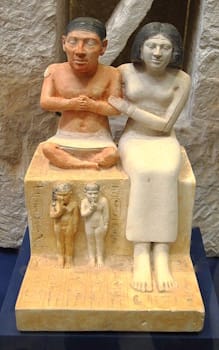
Ancient Egyptian culture, in particular, produced likenesses of individuals with various disabilities. These include the high-ranking court official Seneb, an individual with achondroplasia – a form of dwarfism – whose likeness was found in his tomb dating to ca. 2520 BC.
Renowned historical and modern artists such as Francisco de Goya, Vincent Van Gogh, and Frida Kahlo are known to have experienced disabilities that impacted both their artistic careers and personal lives. Each also made paintings that portrayed their disabilities.
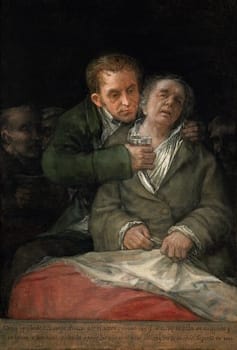
The Romantic-era painter Francisco Goya was known to have experienced several periods of serious illness, beginning around 1792. His health problems reached a climactic point in 1819. He was cared for by Dr. Eugenio García Arrieta, whom he honored in an 1820 oil painting, Self-Portrait with Dr. Arrieta. The bottom of the canvas is inscribed with a dedication to Goya’s personal doctor: “Goya, in gratitude to his friend Arrieta: for the compassion and care with which he saved his life during the acute and dangerous illness he suffered towards the end of the year 1819 in his seventy-third year. He painted it in 1820.”
While it is difficult to identify Goya’s exact condition due to a lack of medical records, recent analysis by Dr. Ronna Hertzano at the University of Maryland suggests that he might have suffered from Susac's syndrome, an autoimmune disease that attacks blood vessels in the brain, retina, and inner ear. Goya’s illness impacted his eyesight, hearing, physical stability, and mental health. Some of these conditions resolved themselves, but he became deaf at the age of 46.
A great artist of the Post-impressionist generation, Vincent Van Gogh struggled with mental health conditions throughout his life. His mood was unstable and he experienced recurrent psychotic episodes during the last two years of his life. In the early 2000s, the psychologist Dietrich Blumer analysed the artist’s letters, biographical materials and prior medical diagnoses in an attempt to define the nature of his mental illness. Van Gogh, Blumer notes, “suffered two distinct episodes of reactive depression” prior to the psychoses of his later years, and “there are clearly bipolar aspects to his history”. “Both episodes of depression”, Blumer points out, “were followed by sustained periods of increasingly high energy and enthusiasm, first as an evangelist and then as an artist.” Other psychologists have backed up Blumer’s bipolar diagnosis. There are also differing perspectives on whether or not van Gogh experienced epilepsy.
Tying some previous strands of analysis together, in 2020 Willem A. Nolen, Erwin van Meekeren, Piet Voskuil, and Willem van Tilburg suggested that the artist experienced a wide range of physical, emotional, and cognitive conditions. “Most likely Van Gogh suffered from comorbid illnesses. Since young adulthood, he likely developed a (probably bipolar) mood disorder in combination with (traits of) a borderline personality disorder as underlying vulnerability. This likely worsened through an alcohol use disorder combined with malnutrition, which then led, in combination with rising psychosocial tensions, to a crisis in which he cut off his ear. Thereafter, he likely developed two deliriums probably related to alcohol withdrawal, followed by a worsening with severe depressive episodes (of which at least one with psychotic features) from which he did not fully recover, finally leading to his suicide. As additional comorbidity, focal (temporal lobe) epilepsy cannot be excluded.”
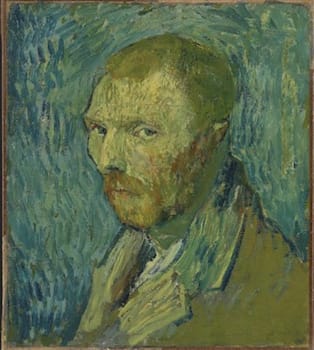
A late self-portrait – authenticated by the Van Gogh Museum in 2020 – indicates the effect that van Gogh’s mental illness had on his art. The painting, completed in 1898, is the only surviving work made while the artist was experiencing his most severe period of psychosis. Its palette, like the artist’s demeanor, is gloomy, the tonal range more subdued than his signature style, Van Gogh created the self-portrait as a patient at an asylum in Saint-Rémy, France. When he was feeling his worst, he practically stopped painting. However, in a letter to his brother Theo, he mentioned attempting this piece. The Van Gogh Museum notes that the artist’s “timid, sideways glance is easily recognisable and is often found in patients suffering from depression and psychosis.”
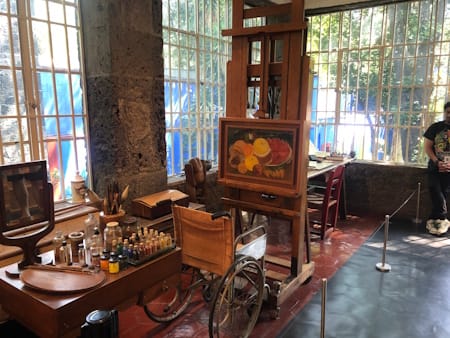
Frida Kahlo was initially disabled by a bout of Polio at six years old. Then, when she was eighteen, she was involved in a very serious accident while riding a city bus. The incident left her with permanent physical disabilities and chronic pain. While she was bedridden in recovery, her parents encouraged her to paint by getting her an adjustable easel.
In her mature paintings Kahlo often reflected on her declining health and disability, noting in paintings such as The Broken Column (1944), Without Hope (1945), Tree of Hope, Stand Fast (1946), and The Wounded Deer (1946). After undergoing spinal surgery in 1950, Kahlo was almost entirely confined to a wheelchair and used crutches to get around her studio.
In 1953, Kahlo had her right leg amputated as a result of gangrene. Her lingering and worsening ailments led to severe mental health problems. In a journal entry from 1954 she wrote: "they amputated my leg six months ago, they have given me centuries of torture and at moments I almost lost my reason. I keep on wanting to kill myself. Diego [Rivera] is what keeps me from it, through my vain idea that he would miss me....But never in my life have I suffered more.”
The writer on disability Nichola Daunton points out that Kahlo’s intersectional identity as an artist is perhaps not fully understood, especially given how disability has tended to be discussed and perceived in popular culture. “Often left out of the conversation when it comes to depictions of beauty and femininity, if Kahlo is claimed as a disabled artist, then people are forced to see her as a disabled woman too, and a beautiful one at that.” Daunton adds that “it may also help some to learn the basic lesson that disabled people can and do achieve greatness and live full and productive lives, just like everyone else. On the other hand though, if it makes people focus purely on her supposed ‘heroic suffering’ and romanticize the chronic pain that she lived with her entire life, then perhaps not.”
Outsider Art and Art Brut
As well as pioneering artists who produced work reflecting on their disabilities, another precedent for the Disability Art movement was the growing interest in art produced by people with mental illnesses and/or intellectual and developmental disabilities amongst artists, theorists and collectors over the twentieth century. An important distinction should be made between disabled artists creating and promoting their work on their own terms and the denizens of a rarefied artworld “discovering” and circulating art created by people experiencing vulnerabilities and marginalization who may not have had control over the terms of its creation or reception.
Nonetheless, it is important to discuss some examples of what became known as Outsider Art and Art Brut as precedents for Disability Art. The first artists to become interested in art created by the mentally ill may be the Der Blaue Reiter group of Expressionist artists in Germany, including Wassily Kandinsky, Franz Marc, August Macke, Alexej von Jawlensky, Marianne von Werefkin, Gabriele Münter, Lyonel Feininger, and Albert Bloch. In 1912, the group published Der Blaue Reiter Almanach, an anthology which included theoretical essays by Kandinsky and Marc alongside 140 reproductions of artworks, the majority of which were classified as "primitive" art, folk art, children's art, and art of the mentally ill. As these artists were interested in finding a lost purity of expression, connected to ideas of synaesthesia and magical connections between the senses, it was natural they would turn to the example of artists who did not engage with the world in conventional ways.
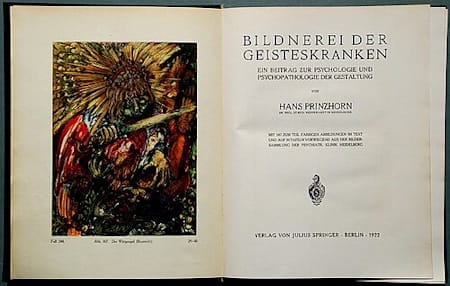
In 1922, Hans Prinzhorn published the influential book Bildnerei der Geisteskranken (Artistry of the Mentally Ill). This included formal analyses of thousands of artworks by mental patients at various European institutions, which Prinzhorn gathered into a large collection now housed at the University of Heidelberg. Both the book and the art collection received a great deal of interest from avant-garde artists of the time, including Paul Klee, Max Ernst, and Jean Dubuffet.
After discovering Bildnerei der Geisteskranken in 1923, the French artist Jean Dubuffet began to amass a similar collection of work, which grew to include 5,000 pieces by 133 creators including now well-known outsider artists such as Aloïse Corbaz and Adolf Wölfli. He christened such work Art Brut ("raw art"), describing it as "works executed by people untouched by artistic culture, works in which imitation - contrary to what occurs among intellectuals - has little or no part, so that their makers derive everything (subjects, choice of materials used, means of transportation, rhythms, ways of patterning, etc.) from their own resources and not from the conventions of classic art or the art that happens to be fashionable."
The term “Outsider Art”, often used interchangeably with Art Brut, was coined in 1972 by the art critic Roger Cardinal. Since that time, many outsider artists experiencing mental illness or cognitive disabilities have been championed and supported in their work, though ethical and sociological questions remain as to how such artists are involved in the reception and circulation of their own work. As already noted, a clear distinction should be drawn between Disability Art and Outsider Art for this reason, with the autonomy of the creator a key tenet of the former.
Art and Mental Health Therapy
During the mid-twentieth century, art began to be used in the treatment of mental health problems, as it was found to be a way of addressing issues that were hard to communicate through verbal therapies. However, in discussing art therapy in relation to Disability Art and particularly that made by people experiencing mental illness or disabilities, an important qualification should be offered. That is, many if not most in the Disability Art movement do not want the movement equated with art therapy
The term “art therapy” was first used by the British artist Adrian Hill, who was recovering from tuberculosis when he realized that drawing and painting helped with his rehabilitation process. He found art-making a way of "completely engrossing the mind (as well as the fingers)…releasing the creative energy of the frequently inhibited patient." Hill became determined to share the positive insights of his own experience. Hill’s 1945 book Art Versus Illness documented case studies from his work as a pioneering art therapist.
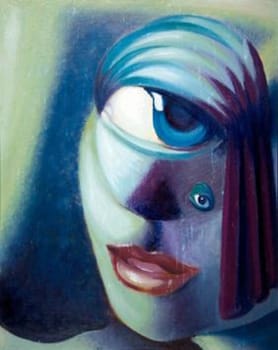
Hill’s research inspired the artist Edward Adamson, who devoted his career to helping long-term hospital patients through art-integrated therapy, becoming known as “the father of art therapy”. The majority of his work took place at Netherne Hospital in Surrey, a long-stay mental health hospital where Hill was based from 1946 to 1981. Encouraging the patients to create their own artworks, Adamson collected thousands of pieces under the name of The Adamson Collection.
In the United States, early art therapists included the psychologist Margaret Naumburg and the Austrian-born painter Edith Kramer. Both women were influential in art therapy becoming an official medical discipline, and for training future generations of art therapists. Influenced by psychoanalytic theory, Kramer wrote that through art therapy, “sublimation is attained when forms are created that successfully contain ... anger, anxiety, or pain.” The British Association of Art Therapists was founded in 1964, and the American Art Therapy Association was founded in 1969.
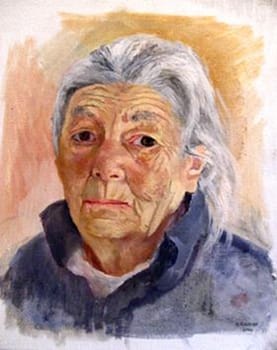
One of the more prominent examples of arts integrated therapy is the Living Museum at Creedmoor Psychiatric Center in the New York City borough of Queens. Initiated in 1983 by Dr. Bolek Greczynki and artist Janos Marton, the Living Museum is an art studio for both inpatient and outpatient use, as well as a gallery that presents the patients’ work to the public. Jessica Yu's 1998 documentary, The Living Museum, provides an inside view of the museum and some of its artists.
National nonprofit organizations like Fountain House, which provides an array of mental health support and resources, also have made art a key component of their programming. In 2000, the organization opened the Fountain House Gallery in New York City, with an artist-in-residence program a key part of the gallery’s offering. Both of these endeavors provide safe and nurturing spaces for artists to create work and share it with the public.
As noted, a number of artists within Disability Art would be keen to distinguish their work from the function of Art Therapy. Artist, scholar, and founder of Cool Arts Society in Kelowna, Canada, Sarah Lige writes: “without wishing to attach a negative connotation to the practice of art therapy, which is a useful and valuable process for many individuals, it is important to emphasize that art therapy does have an attachment to the medical model.” In other words, it is not steeped in the social model of disability which defines Disability Art, and which holds that it is social prejudice and barriers that disable an individual, rather than their physical or cognitive aptitudes.
Origins of the Disability Art Movement
As we have seen, many historical and modern artists made disability visible through their work. But it was not until the era of Postmodernism that a coherent movement formed to represent disability and advocate for disability rights within the visual arts.
The origins of the Disability Arts movement can be traced back to a series of activist endeavors during the 1970s. The definition of Disability Arts is any visual, performance, film, or literary work of art that centers the experiences of disability as its theme or context. Within the Disability Arts movement, any artist with a disability is encouraged to participate.
The movement was spurred by political and social activism that sought to raise disability awareness and encourage inclusiveness. Allan Sutherland, a prominent Disability Arts movement figure has stated that, “I don’t think Disability Arts would have been possible without disability politics coming first… Our politics teach us that we are oppressed, not inferior… They have taught us, not simply to value ourselves, but to value ourselves as disabled people.”
One foundation-stone of the disability rights movement was the Union of the Physically Impaired Against Segregation, established by activists Paul Hunt and Vic Finkelstein in the United Kingdom in 1972. Their mission was to galvanize disabled individuals and their allies against discrimination and stigmatization. The Union of the Physically Impaired Against Segregation developed the Social Model of Disability, which defined disability as a condition of social oppression rather than physical impairment as such. From the late 1970s onward, inspired by this group’s example, artists of all disciplines have worked both individually and collectively to make art opportunities equal, equitable, and more accessible for those marginalized due to disability.
Across the Atlantic Ocean, in Berkeley, California, a married couple, Florence Ludins-Katz and Elias Katz, started an organization called Creative Growth in 1974. Ludins-Katz was an artist while her husband was a psychologist. Due to bureaucratic policies enacted during the 1950s and 1960s, many of the Bay Area’s psychiatric hospitals closed and inpatients were deinstitutionalized. The Katzs began the Creative Growth Art center to provide therapeutic care, art therapy, and vocational training to former state-hospital patients. The center has fostered care and professional support for thousands of artists. Some of the artists affiliated with the center have gone on to achieve national and international success in the arts, including Judith Scott, Dan Miller, and William Scott.
Similar organizations for artists with IDD exist across Canada, such as the Nina Haggerty Center in Edmonton, Alberta, Cool Arts Society in Kelowna, British Columbia, and Tangled Art + Disability in Toronto, Ontario. Other countries boast similar support systems. Indeed, while English and US-based institutions have tended to attract the most publicity and acclaim for their support of Disability Arts, it is worth emphasizing that the model they represent was taken up internationally.
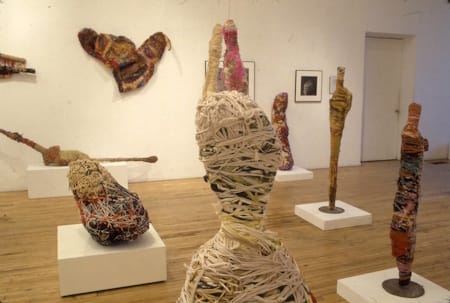
Judith Scott is known for her massive fiber art installations and sculptural pieces. Scott was born with Down Syndrome and became deaf as a result of Scarlet Fever. After a long period of state institutionalization, her twin sister Joyce became her legal guardian. Scott started attending the Creative Growth Art Center in 1987, but showed little interest in painting or drawing. However, after attending a fiber arts class taught by Sylvia Seventy, she began to explore the process of making objects using a combination of found materials and various textiles and fibers. Since 1999, Scott’s work has been exhibited nationally and is in several museum collections.
Another influential California-based institution is the NIAD (Nurturing Independence Through Artistic Development) Art Center in Richmond, which provides studio space, art supplies, and exhibition opportunities to artists with developmental, mental, and physical disabilities. Notable artists fostered by NIAD’s programs include Marlon Mullen, who is on the autism spectrum and is mostly nonverbal. Several of Mullen’s text-based paintings were included in the 2019 Whitney Biennial at the Whitney Museum of American Art in New York City.
Shape Arts, Graeae Theatre Company, Artsline, and Other Advocacy Organizations
In 1976, the dancer and choreographer Gina Levete founded Shape Arts, which provides arts education and programming to disabled and marginalized communities. Starting in London, Shape Arts offers art programming in prisons, schools, and colleges. The organization connects professional artists with groups experiencing various forms of social vulnerabilities, to foster collaboration and make art more accessible. By the end of the 1970s, Shape Arts’ art-centered activism has expanded throughout the United Kingdom. Internationally renowned contemporary artist Yinka Shonibare CBE worked as a development officer for Shape Arts. Shonibare became disabled at the age of eighteen due to transverse myelitis, an inflammation of the spinal cord, which resulted in him being paralyzed on one side of his body. He has stated that “I do have a physical disability and I was determined that the scope of my creativity should not be restricted purely by my physicality. It would be like an architect choosing to build only what could be physically built by hand”. Shonibare has become a staunch advocate for Disability Arts. When he was nominated for a prestigious Turner Prize in 2007, he called Disability Arts the “last great avant-garde movement”. He likened the emergence of Disability Arts to the beginnings of feminism and the Black Arts movement.
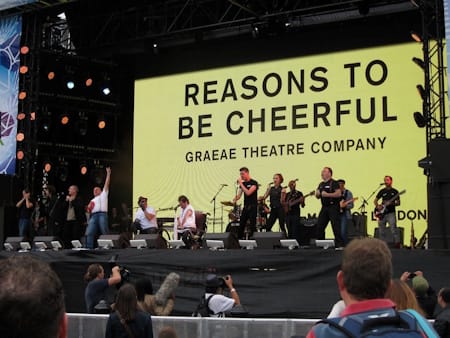
In 1980, Nabil Shaban and Richard Tomlinson founded the Graeae Theatre Company, motivated by a lack of opportunities for disabled people in acting, directing, and theater work. They were determined that their new company would operated solely by disabled individuals, and this has remained the case up to the present day. Graeae Theatre company puts on its own theatrical productions and runs an educational and training program for deaf and disabled artists at all stages of their careers. Other important theater companies followed its example, including Oily Cart (founded in 1981), which provides theatrical programming to children with learning disabilities. Path Productions became the first company to include both non-disabled and disabled performers in its performances, while the Strathcona Theatre Company create physical-theatre performances with disabled actors.
In 1981, an organization called Artsline was founded in order to cultivate and sustain participatory opportunities for disabled people within London’s cultural scene. The organization was open to all age groups and connected disabled individuals to cultural opportunities, events, and gatherings throughout London. Artline’s modus operando was educational and informative. They specifically geared their outreach towards communities with limited prior artistic experiences who felt excluded from existing cultural institutions and facilities. Additionally, Artsline worked towards changing the attitudes and operations of arts facilities to make them more accommodating and understanding of the disabled community’s needs.
Disabled People’s Direct Action Network (DAN) and Grassroots Activism.
In 1993, the Disabled People’s Direct Action Network (DAN) was formed as a grassroots activist organization in England and Wales to campaign for civil rights. DAN engaged in several high-profile strategies to increase public awareness about the need for disability rights. Some of its tactics included non-violent civil disobedience and large protests or rallies in public spaces. DAN’s main organizers were the artists and comic performers Barbara Lisicki and Alan Holdsworth; other artist participants in DAN campaigns included the painter, Eddy Hardy.
Lisicki and Holdsworth met each other as participants in London’s cabaret scene. Along with singer-songwriter Ian Stanton, they founded a variety group called Tragic But Brave and toured throughout the United Kingdom and abroad in the United States as the Tragic But Brave Roadshow. Holdsworth’s stage name was Johnny Crescendo while Lisicki adopted the alias of Wanda Barbara. In addition to Holdsworth, Lisicki, and Stanton, the comedian and poet Allan Sutherland was another regular performer on the tour.
DAN’s slogan was “Piss on Pity,” coined by Crescendo in 1990. The phrase is a motto used to push back against stigmas and stereotypes, most notably how non-disabled people express pity towards disabled people in a way that upholds ableism. Lisicki has stated that, "if you make a disabled person an object of charity, you're not going to see them as your equal." Besides DAN there were several other groups with a strong public profile, through which disability rights activists used creativity to communicate the need for inclusive social policies. These included the London Disability Art Forum, whose contributors included the digital artist Steve Cribb.
Art Beyond Sight
Although fine art is associated with visual aesthetics, there are many examples of artists who are blind or visually impaired. Whether they are born blind or develop difficulties with vision later in life, these artists have proven that it is both possible and essential for visually impaired and blind communities to have access to the arts. Some of the most famous include the Turkish painter Esref Armagan, who paints with his fingertips, and the Native American sculptor Michael Naranjo, who started sculpting in clay while convalescing from the loss of his eyesight in the Vietnam War.
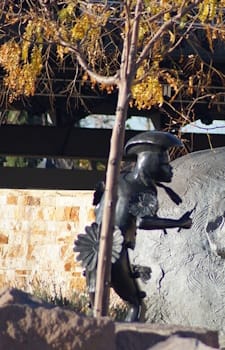
In 1987, Elisabeth Salzhauer Axel founded the nonprofit organization Art Beyond Sight in New York City. As the disability writer Warren Shaw notes, Salzhauer Axel was then “a graduate student studying Art History at Harvard University. A relapsing and remitting neurological disorder had caused her several bouts of vision impairment, to the point of legal blindness, and this led Axel to ponder how visual art could be brought to people unable to see.”
Initially, the organization focused on making art appreciation and art-making more accessible and inclusive to blind and visually impaired individuals. They still provide these services, but have also expanded to support and provide immersive artistic experiences and professional development in the arts individuals with physical or cognitive disabilities. By this account, as Lige notes, art therapy acts as a biomedical tool that focuses on healing and repairing broken bodies, and in the process, the identity of the artists and the aesthetic value of their works are diminished.
Art and Mental Health Activism
Many artists with mental health problems have preferred to operate outside the doctor-patient relationships of art therapy, instead forming artist-led collectives addressing mental health. These include the Icarus Project, an activist-led group in the United States influenced by the anti-psychiatry movement founded in 2002 by musician Sascha Altman DuBrul and artist and writer Ashley McNamara. The mission of the Icarus Project is to reveal how treating mental illness can be a form of social liberation and that treatment and diagnosis should be guided by a patient’s self-determination. They are critical of contemporary mental health treatment, especially what they perceive to be an over-reliance on prescription drugs.
DuBrul has stated that the Icarus Project grew out of a virtual community, where individuals experiencing mental health issues but unable to find well-rounded support could discuss their struggles. The group’s website started attracting a diverse community who “create[ed] discussion forums with names like 'Alternate Dimensions or Psychotic Delusions' and 'Experiencing Madness and Extreme States’.” DuBrul adds that, “because of the outreach in the anarchist and activist community, there was a high percentage of creative people with a radical political analysis. And with the (seeming) anonymity of the Internet, people felt comfortable being honest and sharing intimate stories about their lives.”
In 2015, Lizz Brady, a multidisciplinary artist and curator, started an international organization with similar aims to the Icarus Project called Broken Grey Wires. Through Broken Grey Wires, Brady has organized exhibitions, workshops, and publications that bring awareness to mental health issues. Some of the artists in Broken Grey Wires’ group exhibitions have included David Shrigley, The Chapman Brothers, Jeremy Deller, The Vacuum Cleaner, Gillian Wearing, Martin Creed, Luke Fowler, Pipilotti Rist, and Vito Acconci.
Brady reflects that her career as an artist has had profound effects on her wellbeing: “it has saved my life, not to be so dramatic or anything, but it has. As I learn more about art, the more I fall in love with it. If I am struggling with my depression, and I go to my studio and create something, then everything can seem alright again. If I read, and discover some obscure link between lunar theory and morphic resonance, then I become excited and want to read more.” One of the ongoing projects Brady and Broken Grey Wires focuses on is a mental health toolkit that makes galleries, museums, and art spaces more accessible for neurodivergent visitors.
Exhibitions and Happenings
The Disability Arts movement has been sustained through many artist- and curator-initiated exhibitions, performances, and public events that raise awareness about disability and advocate for disability inclusion across culture.
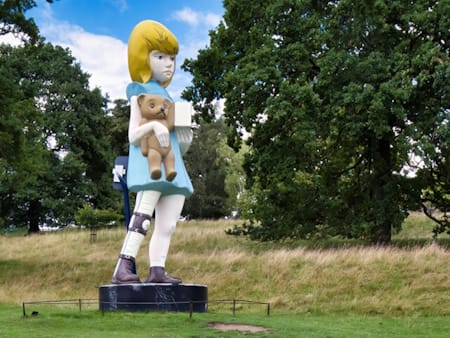
In 2019, an art exhibition was held at Ridings Shopping Centre in Wakefield, England, titled Piss on Pity. It featured artworks that challenged the idea of charity as purely altruistic. One impetus to hold an exhibition with disabled artists rejecting “charitable” advances from non-disabled individuals was a sculpture created by Damien Hirst titled Charity (2002-03). Hirst’s garish sculpture, installed at Yorkshire Sculpture Park, consists of a larger-than-life donation box in the form of a disabled young girl. Hirst appropriated the form of his sculpture from the 1960s Spastics Society’s collection boxes, which were installed on streets throughout the United Kingdom. Hirst, who does not experience disability, did not consult the disabled community at any point during the making of his sculpture.
Gill Crawshaw, who curated the Piss on Pity exhibition, recalled how she responded when learning of the sculpture, saying that she “felt more weary than angry. Here we go again, another thoughtless, exclusionary sculpture to complain about. Another instance of highly-paid artists ignoring the views and needs of disabled people. In recent months disabled people have protested against the inaccessibility of other contemporary artists’ work: Olaf Eliasson’s installation at Tate Modern and Jeremy Deller’s monument to Peterloo in Manchester.”
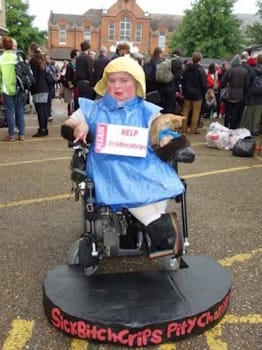
Prior to the exhibition, Crawshaw and her colleagues attempted to raise public awareness about the harmful stereotypes and stigma that Hirst’s sculpture embodied. Artistic responses by Katherine Araniello and Jason Wilsher-Mills harshly critiqued Hirst’s vapid sculpture and lampooned him for being a corporate artist. Araniello performed two significant public interventions against Hirst’s Charity. For her film Pity, Araniello dressed herself up in a blue plastic dress and blonde papier mache wig to become a living sculpture, modeled after the disabled girl in Hirst’s sculpture. Around the base of this living sculpture are the words “Sick Bitch Crips Pity Charity,” a reference to her artistic persona (Sick Bitch Crips) and a jab at Hirst’s lamentable artwork. In another film, The Crippled Gherkin, Araniello and artist Simon Raven attempted to sell pickled gherkins in front of Hirst’s Charity when it was on public display in London. Their sales pitch was that their culinary fare was “made by Damien Hirst on his farm with the little spastics!” Crawshaw included both films in the exhibition.
Wilsher-Mills responded to Charity by making sculptures showing disabled individuals actively and joyfully living their lives, which was the antithesis of Hirst’s work. An article on the website Disabled People Against Cuts explains that Cranshaw “decided to make sculptures in direct opposition to Hirst’s Charity, because this representation of disabled people and Hirst’s lazy appropriation of it had infuriated him.”
Organizing Piss on Pity inside shopping center was an effective way to reach a broader public audience than a conventional art exhibition. Through feedback, Crawshaw realized the impact that the challenging works of art had had on a diverse audience of both non-disabled and disabled viewers. She noted that: “the exhibition challenges the widespread idea that charity is wholly a force for good. I wasn’t sure how contentious this might be, but people definitely relate. They have railed against ‘pity porn’ and the way that charities portray disabled people as pathetic victims. They have complained about public funding cuts that have forced them to seek support from local charities – who are often overwhelmed and unable to help. And they agree that the support that disabled people need should be a matter of ‘Rights Not Charity.’ This sentiment, she added, “couldn’t be further away from the rarefied art world that supports an artist like Hirst to make millions while offending and disrespecting disabled people. Any mention of Damien Hirst to visitors to Piss on Pity is generally met with a shrug of indifference. Because Hirst’s work is out of touch and irrelevant.”
Disability Arts at Biennials and Festivals
Several important works within the Disability Arts movement have been exhibited at the Whitney Biennial, a bi-annual exhibition showcasing a selection of curated contemporary artwork that is intended to show a diverse and inclusive side to the contemporary art scene.
In the 2019 Biennial, several text-based paintings by autistic painter Marlon Mullen were selected for display. In a blog post on Disparate Minds, authors Tim Ortiz and Andreana Donahue elaborated on the importance of including Mullen’s work in a museum: “Mullen’s inclusion in the Biennial is highly significant and historic, marking the first time a disabled artist working with the support of a progressive art studio has been represented. Curators Rujeko Hockley and Jane Panetta selected four paintings; typical of his oeuvre, these lush, intuitive abstractions of found art magazine imagery feel deeply earnest. Representing him at his best, they’re compositionally complex and fascinating due to their powerfully deliberate nature - paint is methodically applied without being fussy, appearing purely pragmatic or matter of fact. Among the strongest works in the exhibition, Mullen’s paintings were stand-outs.”
The 2021 Biennial featured Extended Stay by Carolyn Lazard. This installation consisted of a television monitor that was mounted to a gallery wall via the long arm of an articulated hospital TV mount. The TV was programmed to change channels automatically every thirty seconds. Art critic Emily Waltington stated that “the work was meant to bring hospitalized patients and museumgoers together, allowing them to share the same programs remotely. Connecting the sick and the well through real-time video, Extended Stay speaks to how sick and disabled people have already long practiced many of the new norms that arose in the year 2020, and will continue to do so for years to come.”
In Chicago, there is a major recurring festival called “Bodies of Work: Network of Disability Arts & Culture,” which highlights a variety of contemporary artwork that explores disability and the experiences of disabled artists, while advocating for disabled people’s human rights.
Concepts and Styles
Social Model of Disability
One major impetus within the Disability Arts movement is the Social Model of Disability. As Space Arts explains, “the Social Model holds that a person isn’t 'disabled' because of their impairment, health condition, or the ways in which they may differ from what is commonly considered the medical 'norm'; rather it is the physical and attitudinal barriers in society – prejudice, lack of access adjustments and systemic exclusion – that disable people.”
This tenet is reflected by disabled artists whose work critiques systemic segregation and the self-perceived altruism of charity work that can often uphold ableism. In the United Kingdom, “Piss on Pity” has become a rallying cry for disabled activists who reject patronizing charitable endeavors from non-disabled individuals and groups.
Disability Art often draws attention to the social barriers that emerge through systemic ableism. Removing such barriers, it is generally implied, would involve equal, equitable, and justice-driven opportunities for all people, especially those marginalized and discriminated against due to factors such as race, gender, and disability.
The connected term “intersectionality”, coined by the critic Kimberlé Crenshaw, is crucial for understanding many aspects of the contemporary Disability Art movement—though it is rooted in Black feminist studies rather than disability studies. By this account, prejudice and barriers around disability are not experienced in isolation from, but in combination with, other societal prejudices and barriers, such as those around race, age, gender, sexuality, and more. Such prejudices and barriers tend to compound each other and, just as they are not experienced in isolation, cannot be tackled in isolation. Therefore a truly useful social model of disability would have to acknowledge how gender and racial prejudice, for example, may compound one’s experiences of discrimination on the grounds of disability and vice versa.
Blind and Visually Impaired Art
The idea of fostering artistic skills and appreciation in blind and visually impaired people was advanced by the arts educator Viktor Lowenfeld and the psychologist John M. Kennedy. Working in different eras, both Lowenfeld and Kennedy developed profound understandings of visual impairment and techniques that would help blind and visually impaired artists communicate symbolically and take part in inclusive artistic discourses.
Born in Austria in 1903, in 1938 Lowenfeld fled Nazi-occupied Europe to the USA via Britain. The following year, he published a book called The Nature of Creative Activity, inspired by his experiences teaching art to blind and visually impaired students in Vienna. His writing reflected his pedagogical philosophy, primarily the idea that that artistic experience relies on touch as well as sight; Lowenfeld defined two types of creative impulse, “visual” and “haptic”, the first developed through sight, the latter through physical interaction with materials.
Perhaps surprisingly, Lowenfeld believed that both visual and haptic impulses could be harnessed by blind and visually impaired individuals. His theory was that kinaesthetic engagement (engagement through the body) could enable blind or visually impaired artists to make creative and critical judgements about the form, function, and content of works of art.
Kennedy’s work with blind and visually impaired art students led to the development of significant tools and resources to aid their participation in traditional artmaking. Kennedy’s overarching philosophy was that “b people are intuitively capable of understanding the visual world, even without training or education.”
Kennedy strived to create an equal arts-centered learning situation for blind and visually impaired students. Kennedy used malleable rubber drawing boards that enabled student-artists to feel their drawings. During the mark making process, the students explored the key formal elements of art (line, shape, texture, and pattern) and formed an understanding of symbolic intention and meaning, such as how to represent movement and distance in a composition.
Along with these methods, verbal communication with an educator, museum guide, or other facilitator was another principal component in making artwork accessible and experiential for blind and visually impaired individuals, according to Kennedy’s theories. For example, an elevated verbal communicative process could include a detailed visual and haptic description of an artwork or artistic process so that the blind or visually impaired participant can build a tangible picture of the work in their mind.
Deaf View/Image Art (De’VIA)
The name De’VIA was coined by a group of Deaf artists prior to the Deaf Way arts festival at Gallaudet University in Washington, D.C. (a university for Deaf students) in 1989. The term describes a genre and movement within visual art that represents the Deaf experience and Deaf culture. The initial signatories of the De'VIA manifesto included artists Betty G. Miller, Paul Johnston, Chuck Baird, Guy Wonder, Alex Wilhite, Sandi Inches Vasnick, Nancy Creighton, and Lai-Yok Ho.
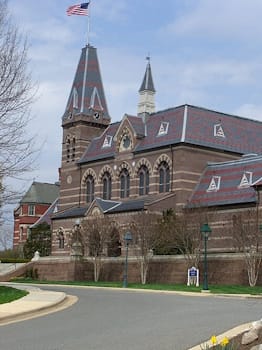
The De’VIA Manifesto stresses the need for artworks which are symbolically and expressively representative of Deaf experiences, using features such as strong color contrasts and exaggerated facial features in representational and performance art, for example. The manifesto stressed that it was not seeking to outline a movement exclusive to Deaf artists, nor inclusive of all Deaf artists. Therefore, it is possible for De’VIA works of art to be made by hearing and Deaf artists alike, though it should always represent Deaf perspectives and culture.
Much of the art produced under the banner of De’VIA supports political and activist causes, although the movement is not explicitly political. The four most common symbolic motifs in many De’VIA artworks are depictions of eyes, hands, ears, and mouths. These motifs act as signifiers that express the acts of communication Deaf people rely on within the Deaf community, as well as their interactions with the hearing world.
Adaptations for Making Art
Many Disability Arts practitioners have had to develop innovative processes for making their work. Some disabled artists have adapted their studios or honed unique fine motor techniques in order to work with traditional art materials. The Irish painter Mary Duffy, for example, taught herself to paint intricate abstract landscapes using her feet, while the American contemporary painter Chuck Close, who was paralyzed in 1988 due to a spinal injury, continued to paint using a mechanical adaptation.
In order to continue working after his paralysis, Close altered his process by fitting a brush to his wrist and working with a grid system that broke the subject down into a series of low-resolution squares. When viewed from afar the squares create a complete image and have the essence of being photorealistic, although they have a more pixelated form than the photorealistic paintings he made prior to his paralysis.
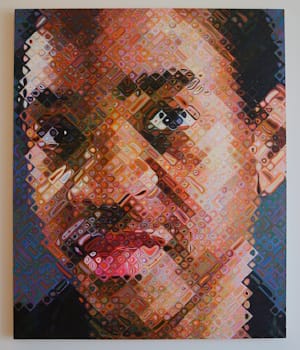
Close also experienced prosopagnosia, commonly known as face blindness, which made it difficult to remember people’s likeness. The artist has reflected that the latter condition might have had an impact on the style and content of his signature portrait-painting: "I was not conscious of making a decision to paint portraits because I have difficulty recognizing faces. That occurred to me twenty years after the fact when I looked at why I was still painting portraits, why that still had urgency for me. I began to realize that it has sustained me for so long because I have difficulty in recognizing faces".
Yinka Shonibare also made adaptations to how he works due to a partial paralysis from transverse myelitis. He creates all the conceptual elements within his installation and photo-based work and then has studio assistants complete the physical artmaking process while he acts as a director and facilitator.
Are all disabled artists part of the Disability Art movement?
It is important to note that, while Disability Art has provided an empowering and positive framework for many disabled artists to work within, others have chosen, or may choose, not to define their work on such terms. This may be because they are seeking to retain autonomy over themes and forms, because they don’t want to reduce their work to a utilitarian political function, or many other reasons.
Speaking about Disability Arts in Toronto in 2017, the disability scholar Eliza Chandler asked: “what makes a disability artist? Is it animating or representing disability in their art? Or is it simply anyone who experiences ableism, regardless of how they identify and regardless of what their work takes up?” For Chandler, one may choose to identify an artist or their work as being a part of Disability Arts based on the artist’s personal identification, their medical diagnosis, the experiences they encounter in their day-to-day life, the subject matter of their artwork, or any combination of the above. However, Canadian artist Kristin Nelson centers “self-identification” as the crucial factor, arguing that it is incorrect, even unethical, to label an artist as participating in Disability Arts purely on the basis of their being disabled. As Nelson explains, "disability artists not only are responsible for creating art, but must simultaneously consider the ways in which their art represents disability culture.”
Certainly, as Nelson writes, it is not the goal of all disabled artists to “create positive representations that form a visible disability culture,” as is the case for artists specifically involved in Disability Art. Nelson argues that “placing artists at the forefront of a political movement to create images of Deaf and disability culture reduces art to a utilitarian role and downplays the role of aesthetics in art.” Indeed, disabled artists must have the right to identify themselves as “professional artists” first and foremost, and to align themselves with whichever artistic movements (political or not) they so wish. Thus, while many disabled artists do produce work that engages in disability aesthetics, this does not necessarily mean that they are producing disability art.
Later Developments - After Disability Art
The Disability Arts movement was integral in bringing visibility to the disabled community, which ultimately led to civil rights laws such as the Disability Discrimination Act passed in the United Kingdom in 1995. These laws sought to prevent discrimination and protect and uphold the rights of disabled individuals. However, disability rights activists noted that the laws were still not satisfactory and have continued protesting. In 2015, Lisicki stated, "Some people thought 'we've won with the Disability Discrimination Act' ... We didn't win. It was never a victory. All that I ever say to people is that at least now the government agrees with us that discrimination happens."
Although both Artsline and the Disabled People’s Direct Action Network have disbanded, many of the other formative organizations still operate. In 2019, The National Disability Arts Collection and Archive (NDACA) was established to archive, catalog, and present the work of British artists within the Disability Arts movement. In 2020, MAC Birmingham organized the exhibition Art and Social Change, which displayed a significant selection of artwork from the Disability Arts movement. Most of the paintings, sculptures, digital media, and installations came from NDACA.
Since the early days, the Disability Arts movement has grown and expanded internationally. There are examples of artists engaging in activism for disability-inclusive policies in the United States, Europe, Africa, Oceania, and Asia. Major international museums have started programs and special collections designed to make art inclusive to all; this can largely be attributed to the activism of disabled artists. Some typical types of program include touch tours, where blind and visually impaired visitors can feel works of art as museum educators provide detailed aesthetic descriptions and analysis of them. Additionally, some galleries and museums have renovated their physical spaces and websites to provide accessible viewing for diverse patrons.
Useful Resources on Disability Art
- Disability Aesthetics (Corporealities: Discourses Of Disability)Our PickBy Tobin Anthony Siebers
- Art Beyond Sight: A Resource Guide to Art, Creativity, and Visual ImpairmentBy Elisabeth Salzhauer Axel and Nina Sobol Levent
- Mobilizing Metaphor: Art, Culture, and Disability Activism in CanadaBy Christine Kelly
- Studying Disability Arts and Culture: An IntroductionBy Petra Kuppers
- Disability and Contemporary PerformanceOur PickBy Petra Kuppers
- The Scar of Visibility: Medical Performances and Contemporary ArtOur PickBy Petra Kuppers
- Disability Arts and Culture: Methods and ApproachesBy Petra Kuppers
- Imaging and Imagining Illness: Becoming Whole in a Broken BodyBy Devan Stahl
- Feminism and DisabilityBy Barbara Hillyer
- Extraordinary Bodies: Figuring Physical Disability in American Culture and LiteratureBy Rosemarie Garland Thomson
- Art and Disability: The Social and Political Struggles Facing Education (2009th Edition)By A. Wexler
- Studying Disability Arts and Culture: An IntroductionBy Petra Kuppers
- The Politics of DisablementBy Michael Oliver
- Black Disabled Art History 101By Leroy Moore Jr, Nicola A. McClung, and Emily A. Nusbaum
- Disability and Art HistoryBy Elizabeth Howie and Ann Millett-Gallant
- Art Therapy for Social JusticeBy Savneet K. Talwar
- The Deaf Way: Perspectives from the International Conference on Deaf CultureEdited by Carol J. Erting, Robert C. Johnson, Dorothy L. Smith, and Bruce D. Snider
- Entwined: Sisters and Secrets in the Silent World of Artist Judith ScottBy Joyce Wallace Scott